 ×
×
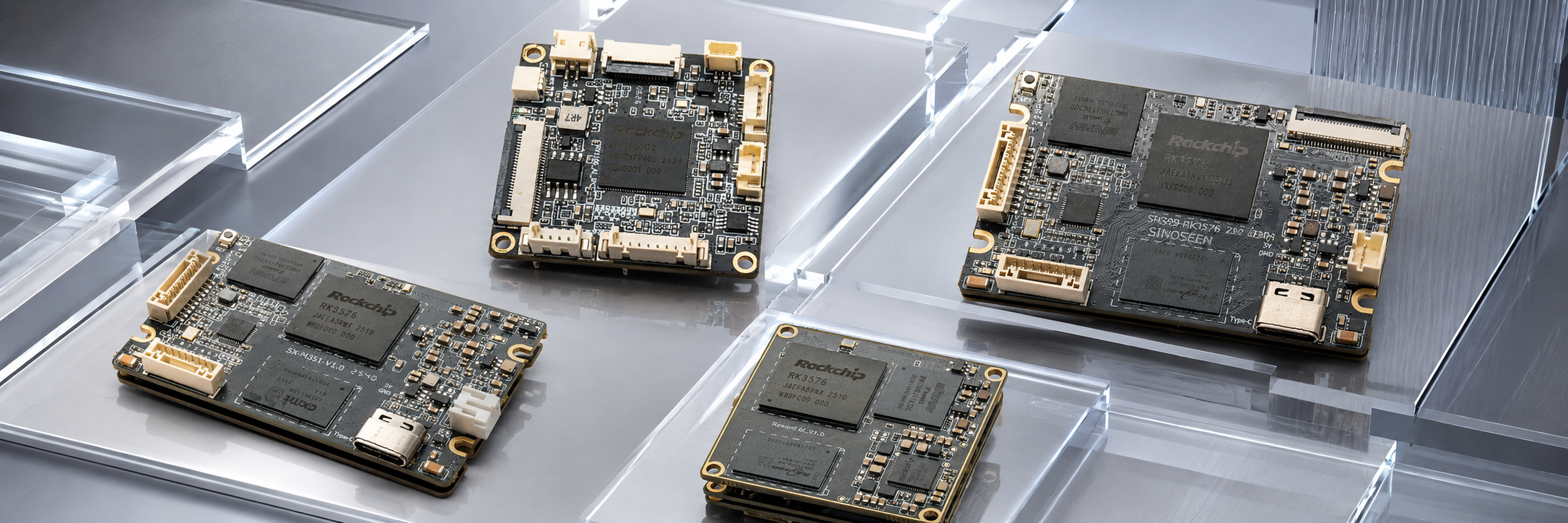
Choosing the right industrial sbc for harsh manufacturing environments is one of the most critical decisions an OEM engineer must make. The wrong selection can lead to costly downtime, accelerated hardware failure, and compromised production reliability. Unlike standard commercial computing boards, an industrial sbc must withstand extreme temperatures, vibration, moisture, dust, and electromagnetic interference while maintaining consistent performance under continuous operation. This guide walks you through the essential criteria and decision framework needed to identify the best industrial sbc for your specific manufacturing application.
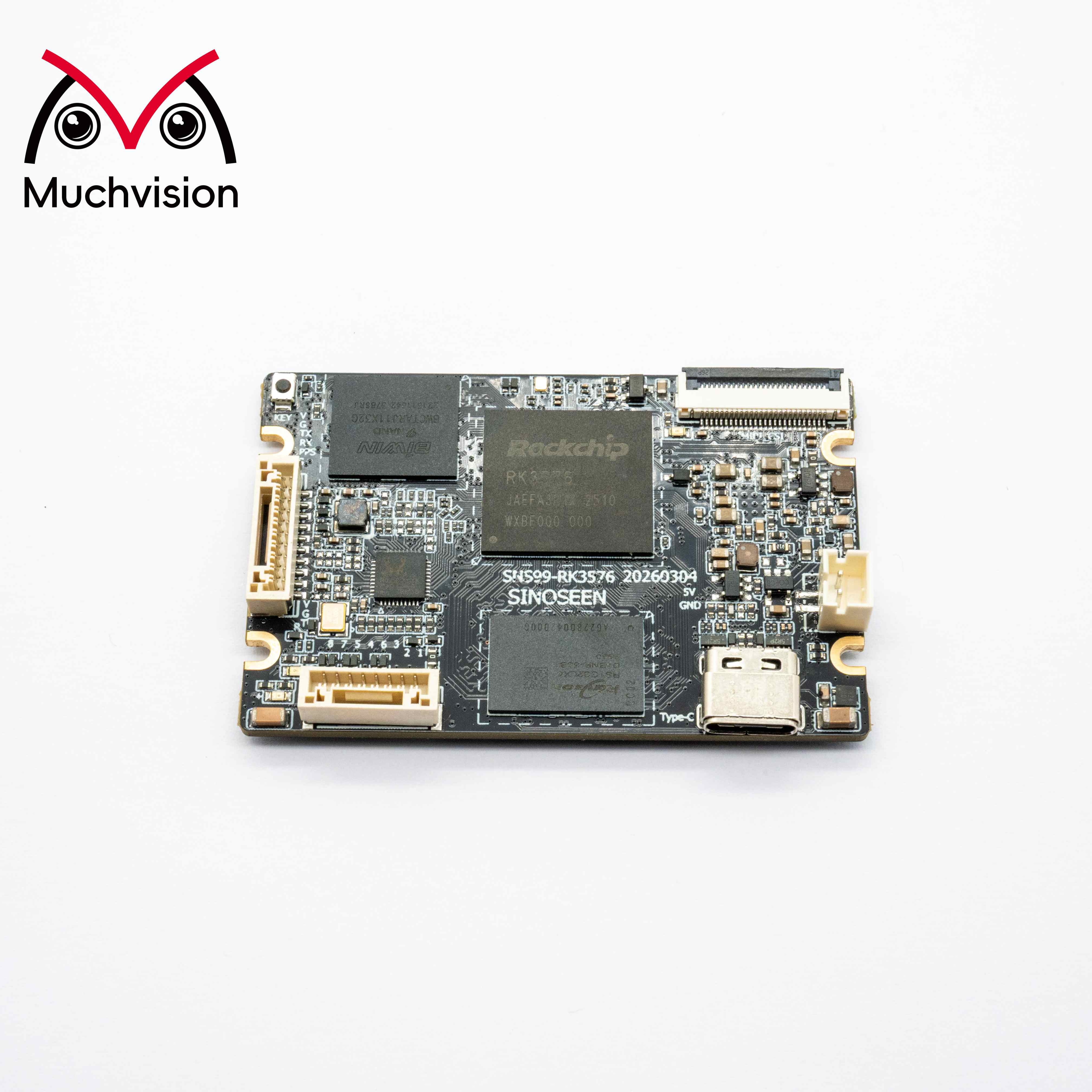
The manufacturing landscape in 2026 demands higher reliability standards than ever before. OEM customers expect their embedded systems to perform without interruption across foundries, automotive assembly lines, chemical processing plants, and other demanding environments. Selecting an industrial sbc requires understanding both the technical specifications and the environmental stress factors your equipment will encounter. This guide provides a comprehensive comparison framework and selection methodology to ensure you choose hardware that delivers long-term operational stability and meets modern OEM expectations for quality and performance.
Harsh manufacturing environments impose extreme thermal stress that disqualifies consumer-grade boards immediately. An industrial sbc must operate reliably across a wide temperature range, typically from minus ten to fifty degrees Celsius or wider, and must include robust thermal design that manages heat dissipation without failure. Poor thermal design causes component degradation, reduced lifespan, and unpredictable system crashes during peak production runs. When comparing industrial sbc options, verify the operating temperature specifications, thermal cycling ratings, and whether the board uses conformal coating and potting to protect sensitive circuits from temperature swings and thermal shock. OEM customers in 2026 increasingly specify industrial sbc boards with active cooling capabilities or passive heatsinking that prevents thermal throttling during sustained workloads.
Manufacturing floors generate continuous mechanical vibration from heavy machinery, conveyors, and assembly equipment. An industrial sbc must withstand this vibration without component damage or solder joint failure. Industrial boards use reinforced PCB construction, mechanical strain relief on connectors, and potted subsystems to absorb and distribute vibration stress. A proper guide to selecting an industrial sbc includes testing whether the board meets IEC 60068 vibration standards and whether all connectors are rated for industrial duty cycles. OEM engineers must verify that the industrial sbc can survive repeated vibration exposure across thousands of operational hours, particularly for critical application areas in automotive manufacturing, heavy equipment control, and continuous-process production facilities.
The computational demands of modern manufacturing control systems require an industrial sbc with sufficient processing capability to handle real-time control tasks, data logging, and edge analytics simultaneously. Comparison of industrial sbc candidates must evaluate processor architecture, clock speed, multi-core performance, and whether the board supports deterministic real-time operating systems. Many OEM applications require the industrial sbc to manage motion control, sensor fusion, and vision processing without latency or frame drops. In 2026, OEM customers increasingly demand industrial sbc solutions with embedded AI acceleration or hardware support for machine learning inference at the edge. Verify that the selected industrial sbc provides adequate CPU headroom not only for current requirements but also for future software updates and feature enhancements that will be deployed during the production lifecycle.
Industrial sbc systems operating in manufacturing environments must maintain data integrity across power cycles, storage media must resist wear from continuous logging, and memory subsystems must tolerate electrical noise. A comprehensive comparison should examine whether the industrial sbc offers industrial-grade NAND flash storage, redundant memory channels, and error correction capabilities. OEM systems often require continuous data logging for quality assurance, regulatory compliance, and predictive maintenance analytics. The industrial sbc must support reliable file systems, wear-leveling algorithms, and sufficient storage capacity to buffer data during network outages or backup intervals. Verify that the industrial sbc vendor provides clear documentation about endurance ratings, data retention specifications, and recommended archival practices for production traceability.
Modern manufacturing relies on standardized industrial communication protocols including Ethernet, CAN, Modbus, and increasingly OPC UA for factory automation. An industrial sbc must include native support for multiple communication interfaces without requiring proprietary adapters that introduce latency or reliability risks. When comparing industrial sbc options, verify support for industrial Ethernet variants, deterministic real-time communication, and whether the board integrates multiple interface protocols on the same hardware platform. OEM 2026 requirements often mandate redundant communication channels, galvanic isolation for noise immunity, and compliance with industrial automation standards like IEC 61131. The selected industrial sbc should provide a guide for network configuration, fail-over behavior, and integration pathways to your existing factory automation infrastructure.
Manufacturing equipment often remains operational for ten to twenty years, requiring an industrial sbc platform that can evolve and accept future module expansions. A thorough comparison of industrial sbc candidates should examine expansion slot availability, module standardization, and vendor commitment to long-term product support. OEM engineers must ensure the industrial sbc provides clear upgrade paths, backward compatibility for existing expansion cards, and documented APIs for integrating future sensor modules or communication peripherals. In 2026, the industrial sbc landscape increasingly favors modular architectures that allow OEM customers to customize configurations without redesigning the entire control system. Verify that the industrial sbc vendor commits to multi-year parts availability, long-term technical support, and transparent roadmap visibility for hardware and software evolution.
Before beginning your comparison of industrial sbc products, conduct a detailed assessment of your specific manufacturing environment. Document the ambient temperature range, vibration characteristics, humidity levels, dust or chemical exposure, and electromagnetic interference sources present in your facility. A proper guide for industrial sbc selection requires quantifying these environmental factors against published industrial sbc specifications to eliminate candidates that cannot survive your specific conditions. Engage with your OEM equipment end-users to understand their reliability expectations, mean-time-between-failure targets, and maintenance access patterns. The industrial sbc you select must not only meet minimum specifications but provide sufficient margin above worst-case environmental extremes to ensure field reliability and customer satisfaction throughout the product lifecycle.
Selecting an industrial sbc requires more than comparing datasheets; verification testing in representative field conditions is essential before committing to high-volume production. Implement accelerated lifecycle testing, thermal cycling stress tests, and vibration endurance trials using the same industrial sbc configuration you plan to deploy. Document failure modes, thermal behavior under sustained load, and data integrity across power transients and environmental extremes. OEM customers in 2026 increasingly require certification evidence, test reports, and third-party validation that the selected industrial sbc meets published reliability claims. A comprehensive guide to industrial sbc selection includes establishing long-term field monitoring protocols, collecting failure data from deployed systems, and maintaining feedback loops to identify design weaknesses or environmental factors that require mitigation.
An industrial sbc incorporates rugged construction, wide temperature operation, vibration tolerance, potted electronics, industrial-grade components, redundant subsystems, and extended product lifecycle support. Standard commercial boards use consumer-grade components and lack environmental hardening, making them unsuitable for manufacturing plant deployment where reliability directly impacts production uptime and safety.
Begin with a detailed guide documenting your environmental requirements, communication protocol needs, processing performance targets, and expansion requirements. Then conduct a systematic comparison of candidate industrial sbc products against these criteria, request samples for validation testing, and evaluate vendor support maturity. Prioritize products from vendors offering long-term availability commitments, transparent technical documentation, and proven field reliability in similar applications.
In 2026, manufacturers increasingly deploy autonomous systems, predictive analytics, and continuous edge computing that require embedded computing platforms with absolute reliability. An industrial sbc failure causes cascading production losses and customer penalties. Selecting the right industrial sbc ensures your OEM equipment meets customer uptime expectations, survives harsh operational environments, and provides a stable platform for future feature expansion.
 Hot News
2026-09-21
2026-09-18
2026-09-14
2026-09-13
2026-09-09
2026-09-09

 EN
EN